Welcome to my blog! Thank you for clicking into my little corner of the online world where I share my landscape passion through my images and tips for other landscape photographers! Sign up for my newsletter and get your free ebook with 25 Tips for Impactful Landscape Photography.
Links to Check Out!
Looking for filters to add to your creativity? Check out MAVEN FILTERS!
Listen to my podcast episode with Jen Ritchie on Wildlife Conversations or watch on YouTube HERE.
Listen to my episode HERE with Austin James Jackson on his podcast, Master the Moment.
Listen to my episode on the Landscape Photography World podcast, hosted by Grant Swinbourne.
Listen to my conversation with Brenda Patrella on the Outdoor Photography Podcast from October 4, 2022
Check out my podcast episode over on InFocus Women - with Sarina Jackson and Steph Vella
Listen to my conversation with Allison Jacobs on “The Creative Frame” podcast.
Read Kristen’s article, “The Allure of Nature”, in the December, 2020 issue of Outdoor Photographer.
Listen to Kristen & Matt Payne’s conversation on the F Stop Collaborate & Listen podcast aired January 6, 2021.


Exploring Vertical Panning
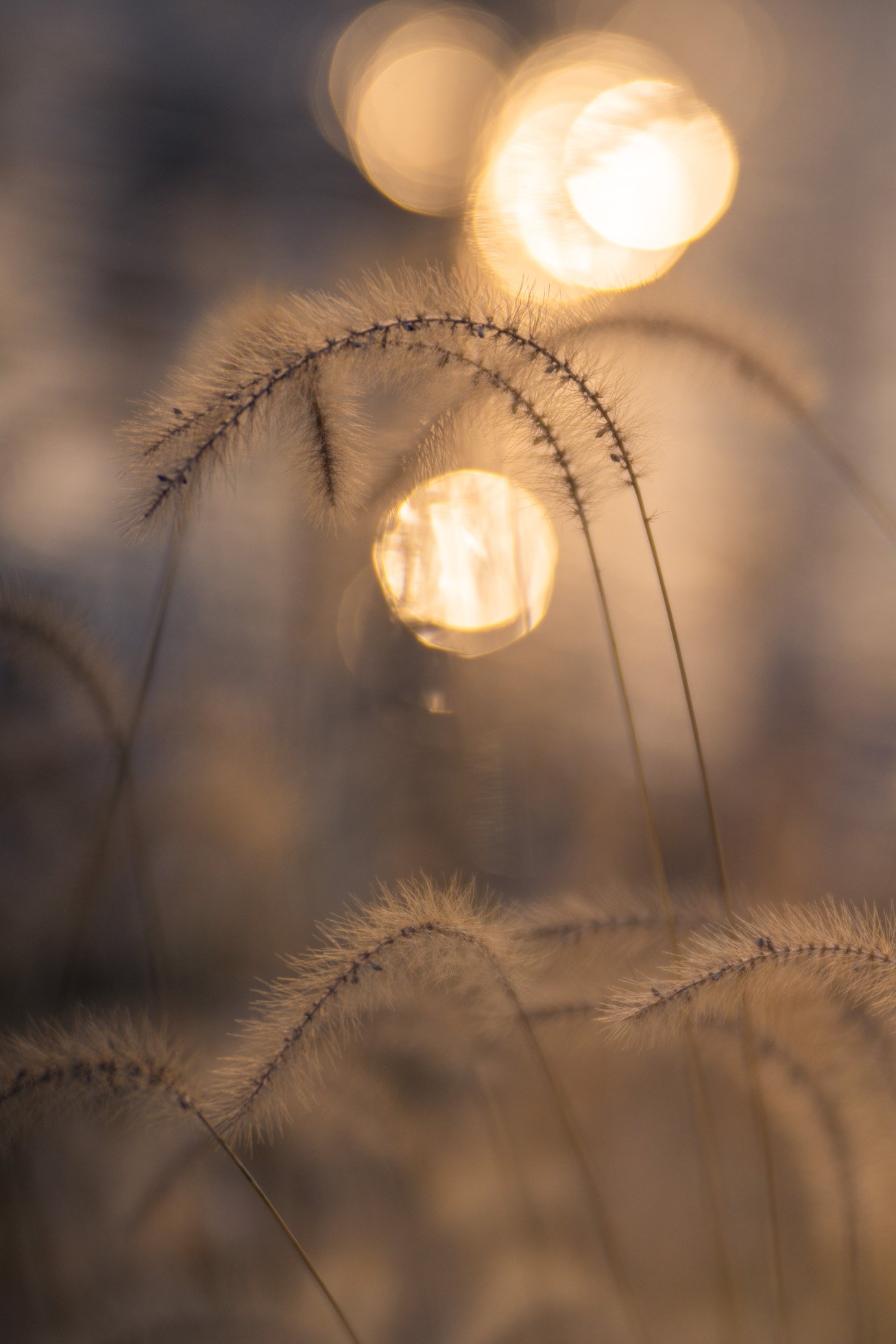
Vertical panning is a fun way to add a little creativity to your nature photography. It’s really pretty simple and fun because no two images will turn out exactly the same. Similar perhaps but not exactly the same. Just like horizontal panning, it can create a beautiful painterly effect.

You can achieve this technique with a tripod or handheld. A tripod is often used to help you keep straight as you pan up, though it can work handheld as well.
First, you’ll want to set your settings in order to lower your shutter speed. In bright light, you’ll need to max out your aperture and your ISO. So ISO 100 and f/22 for example. If you have a Neutral Density filter you may not have to completely max out those settings however. Generally I am looking to get the shutter speed in the range of 1/30s to 1-2 seconds in exposure length. The panning effect changes depending on both the shutter speed and how fast you move the camera, the latter most significant. If you use an ND filter, I find it easiest with a 3 stop or 6 stop because this strength filter is great for getting the shutter speed down to about a 1 second or slightly faster.

Once I have my settings, I set the frame by choosing my focal length and where the bottom of the frame will be. I focus on the scene and then as I press the shutter I move the camera up. The faster the shutter, say 1/30, the quicker you need to move the camera to get the blur effect. The important thing is to try to stay steady and move the camera up straight. If handheld, keep your elbows close to your body to steady yourself. Faster movement will create more blur while slower will leave a little more detail in the scene.

You can use a longer lens and focus in on the grass or trees, or you can use a wider focal length and get more of the scene.

Get out there and have some creative fun!
Visit Seascape Panning for trips on seascape and horizontal panning. To shop for a 6 stop ND filter to help you out with your vertical and horizontal panning, visit Maven Filters.*
Kristen Ryan is an award winning and published landscape and fine art photographer and educator residing in the Midwest suburbs of Chicago. All images are available for purchase in the Fine Art Store or by request. Kristen leads ladies landscape photography retreats in the Tetons, Chicago, and the Canadian Rockies, offers private mentoring and teaches an online landscape photography workshop, The World Around You.
*Affiliate Link
Seascape Panning
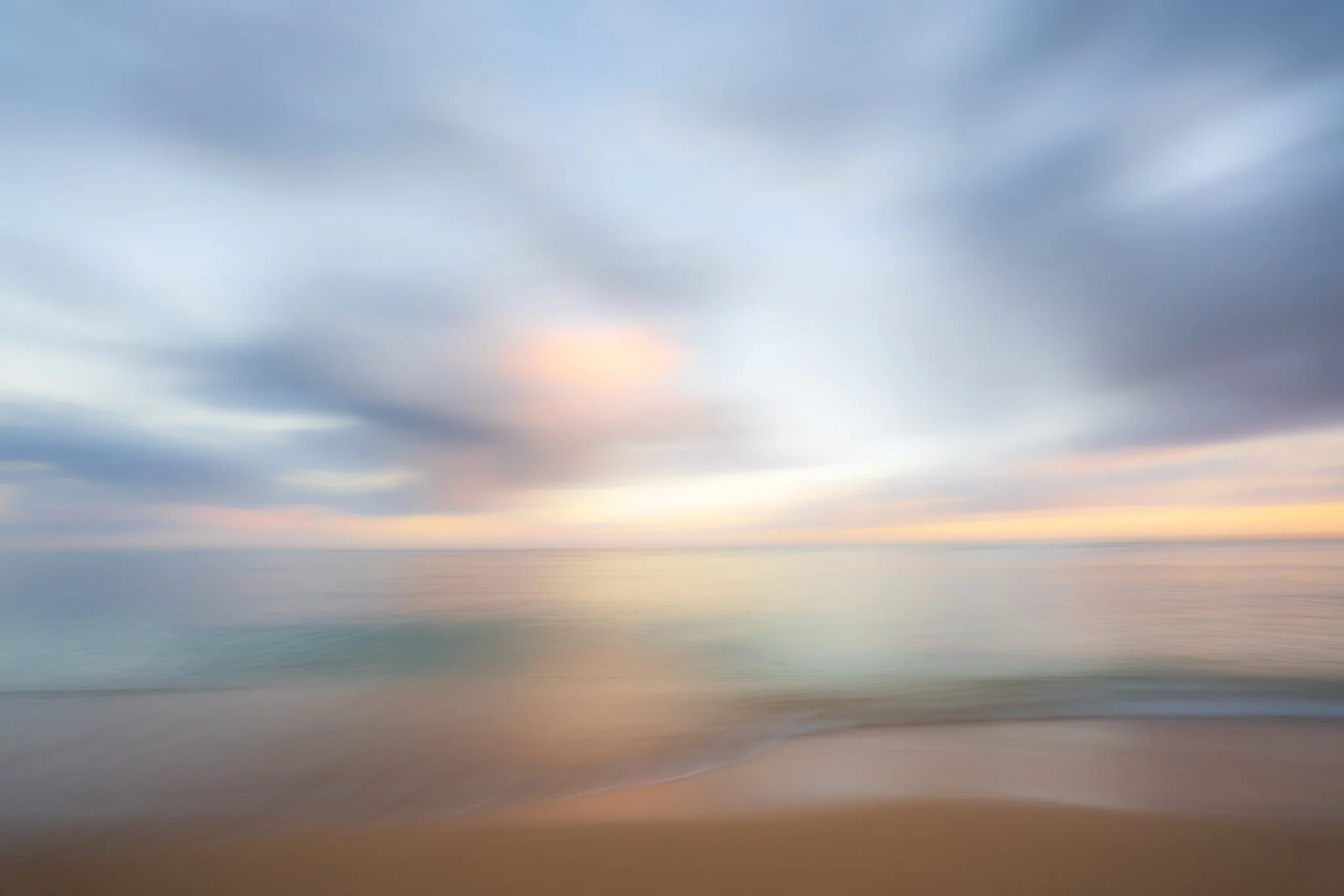
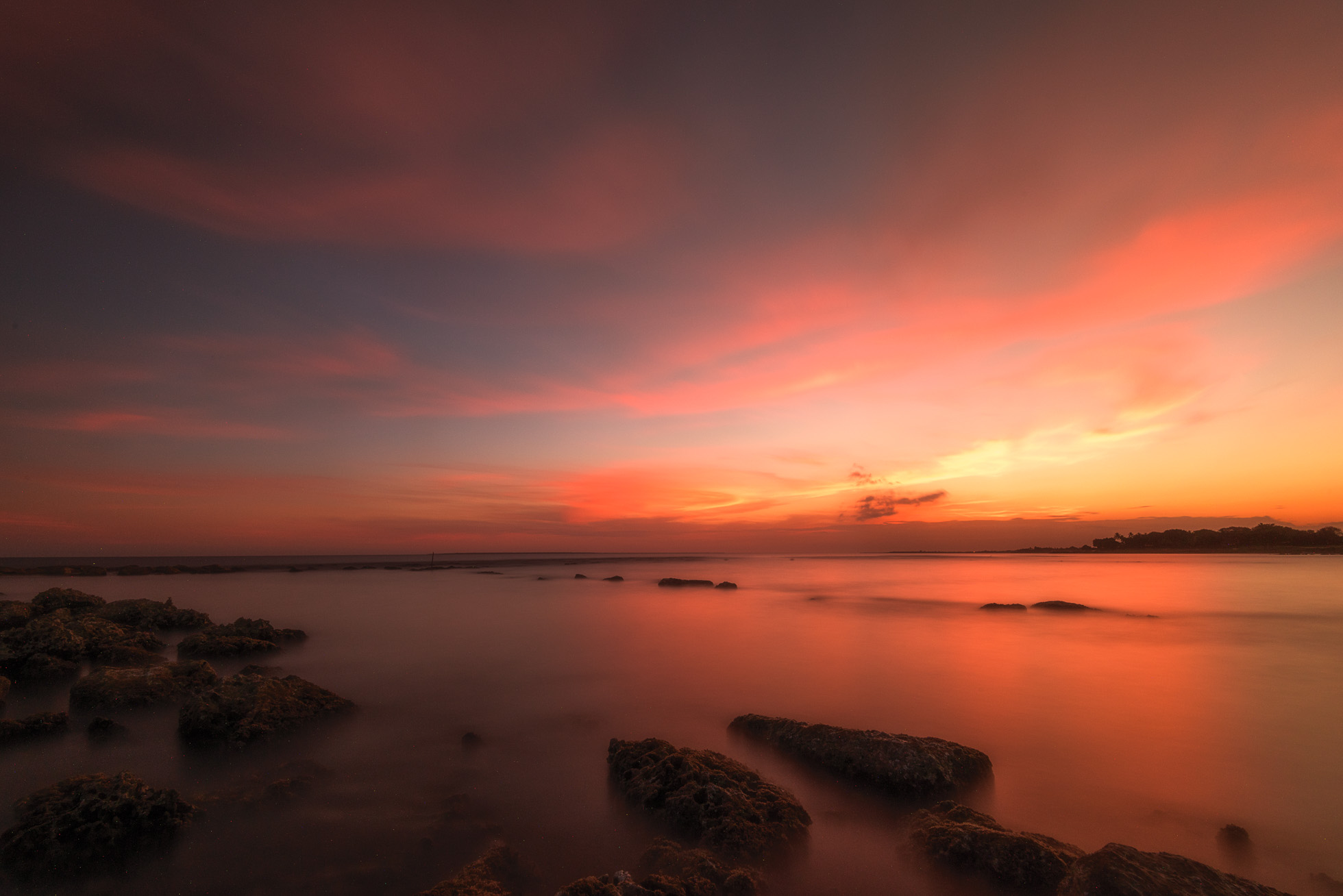
One of my favorite techniques to play with at the beach is horizontal panning. It is really simple and can create a beautiful dreamy effect of the water, sand, and sky in any combination.
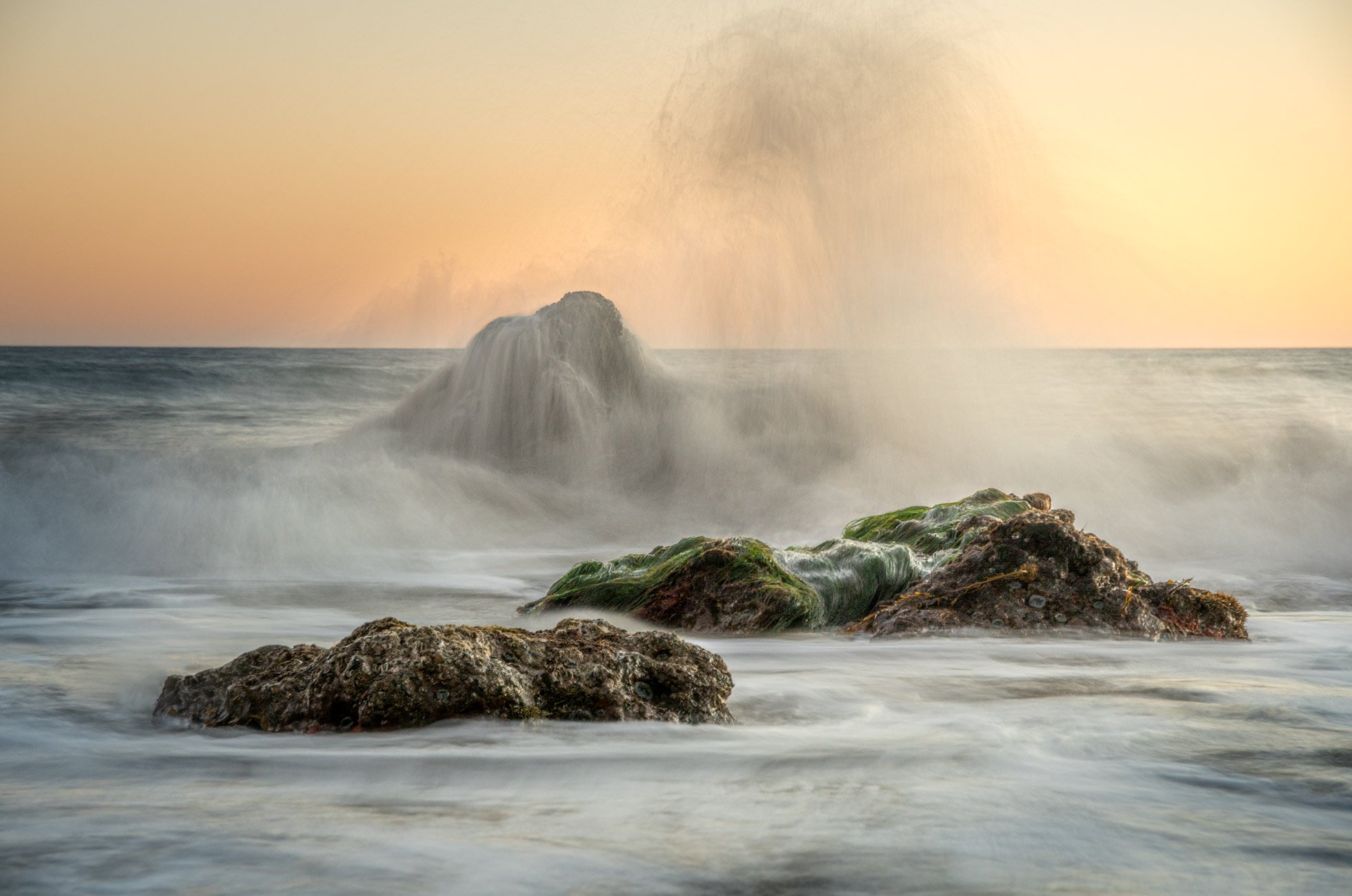
You will want to use a shutter speed between about 2 seconds up to around 1/30 of a second or so. To do this, you’ll need to set your ISO quite low and close down your aperture significantly. If during the day, you may need a Neutral Density Filter to block some light. A 6 stop or 3 stop filter would be best in this situation. A 10 stop filter will be more than you need and just make things harder.
You can use a tripod or shoot handheld. A tripod may keep you steadier horizontally but handheld works too so definitely don’t hesitate to try this without a tripod. In either case, you’ll want to frame your shot and focus on your scene and then after you press the shutter, or AS you press the shutter with the faster shutter speeds, just pan the camera to the right. When I shoot handheld I hold my arms close to my body and just turn my body to keep steady. If shooting around 1/30 of a second, you’ll need to move quicker to get the effect. With a second or two you can go slower as you have more time.
Sometimes it helps to start moving and then press the shutter, or you can also try putting your camera on continuous mode and as you twist your body press the shutter and let it take several shots as you move left to right.
The fun thing is that you get a slightly different effect each time. You may get a bunch you don’t like along with one or two that you really love. The painterly effect is subjective so choose the ones that YOU love!
Have questions, feel free to reach out!


Looking for a 6 stop filter to help you reduce the shutter speed? Check out Maven Filters. * I always have a 6 stop in my bag for capturing this effect and others!
Kristen Ryan is a fine art landscape photographer from the suburbs of Chicago. You can purchase prints in the Fine Art store or contact her for custom orders. She teaches an online landscape photography workshop, “The World Around You” and hosts in person ladies’ landscape photography retreats.